

The Beginningin Joure
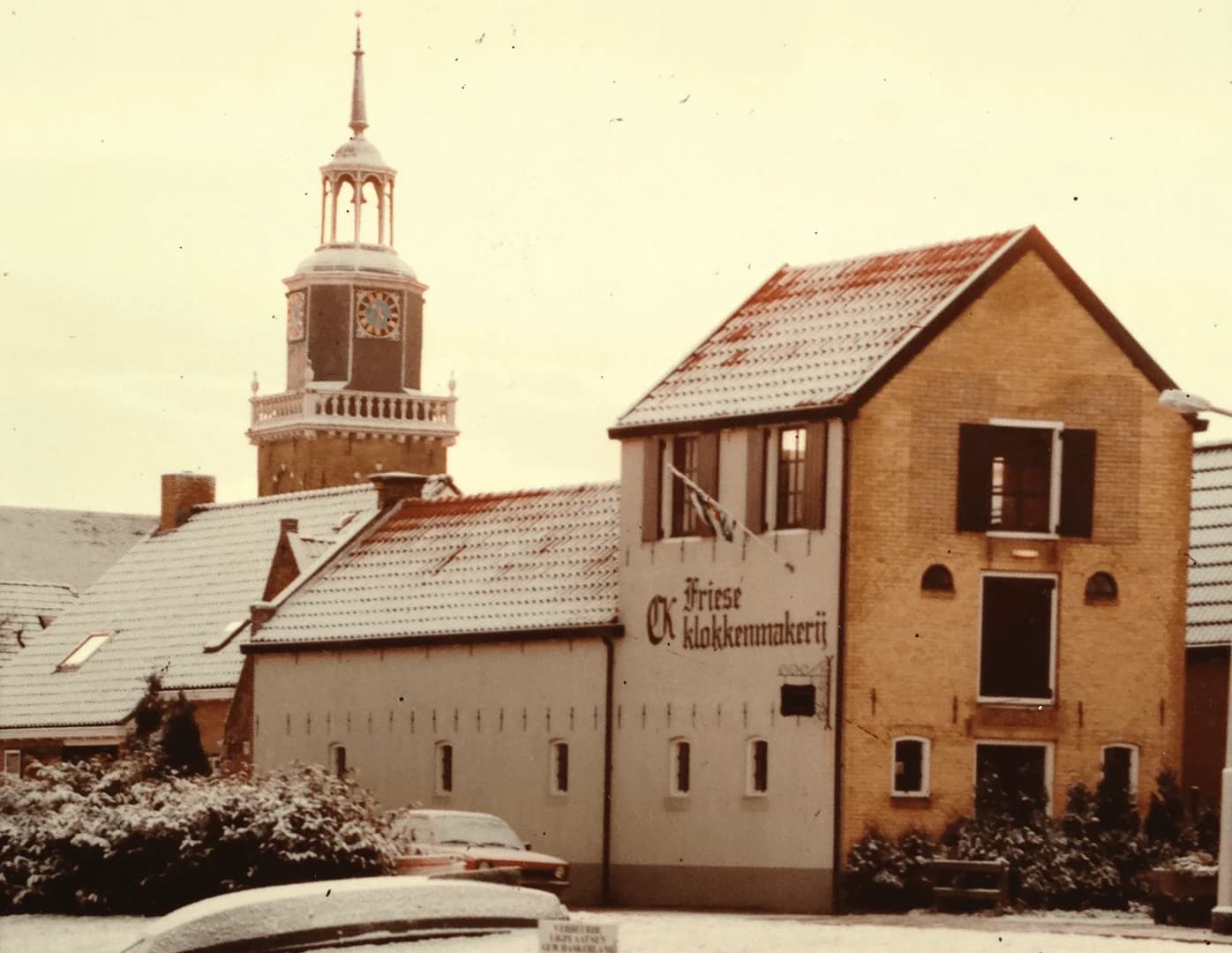
Christiaan van der Klaauw trained at the Leidse Instrumentenmakers School and studied clockmaking before moving to Joure in 1967. There, working within the Frisian tradition of clockmaking, he developed the technical foundation that would shape his own work.
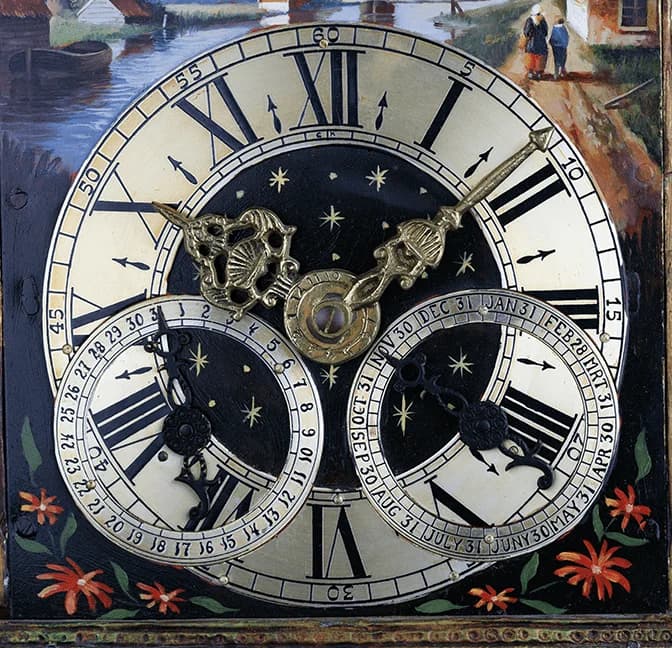
In 1974 he established an independent atelier in Joure. His early creations were clocks, often incorporating astronomical indications and mechanisms developed around the movement of the heavens.
This was the beginning of Christiaan van der Klaauw as an astronomical watchmaker.
AstronomicalClocks
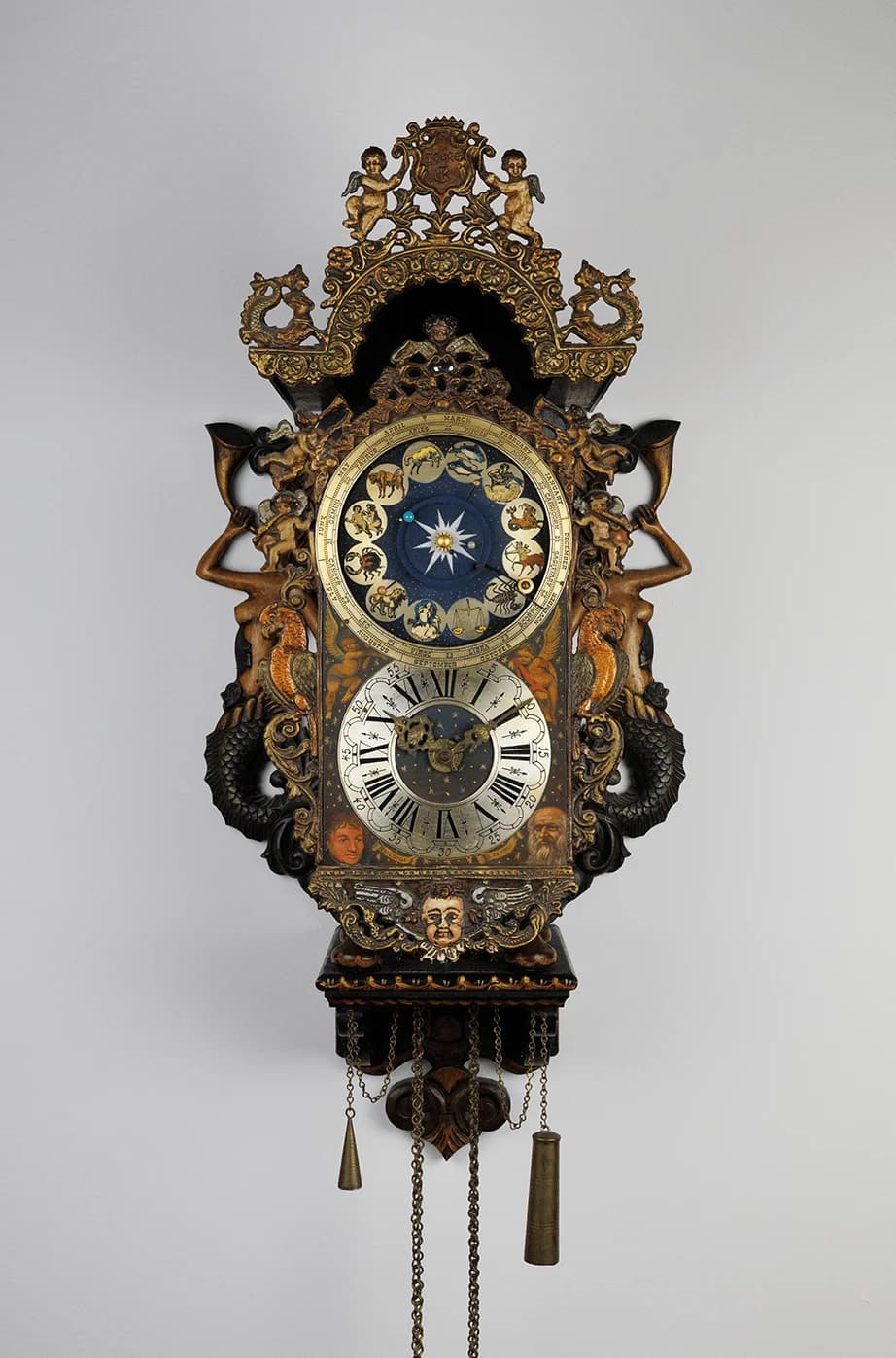
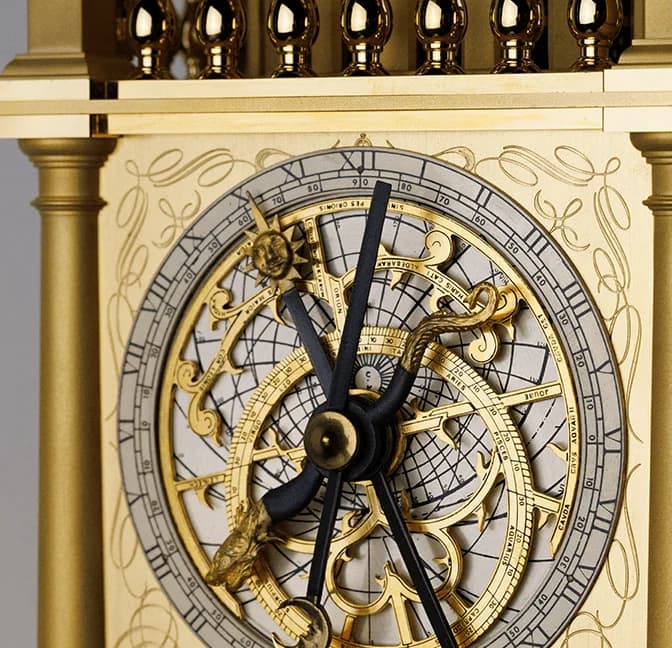
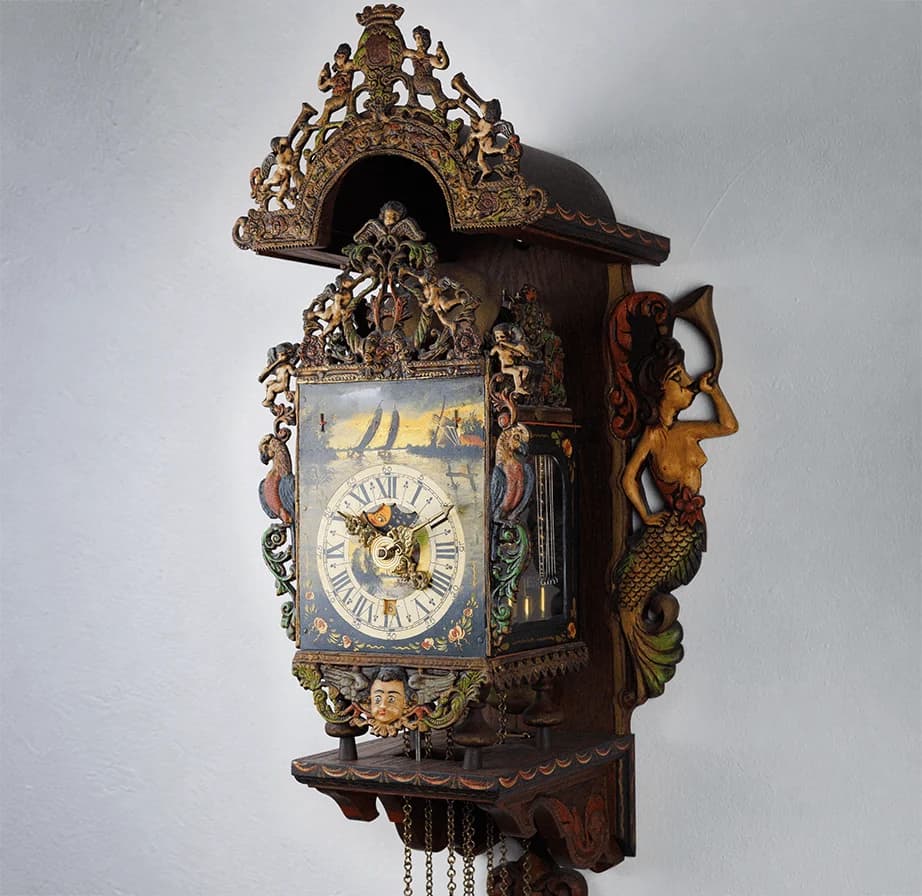
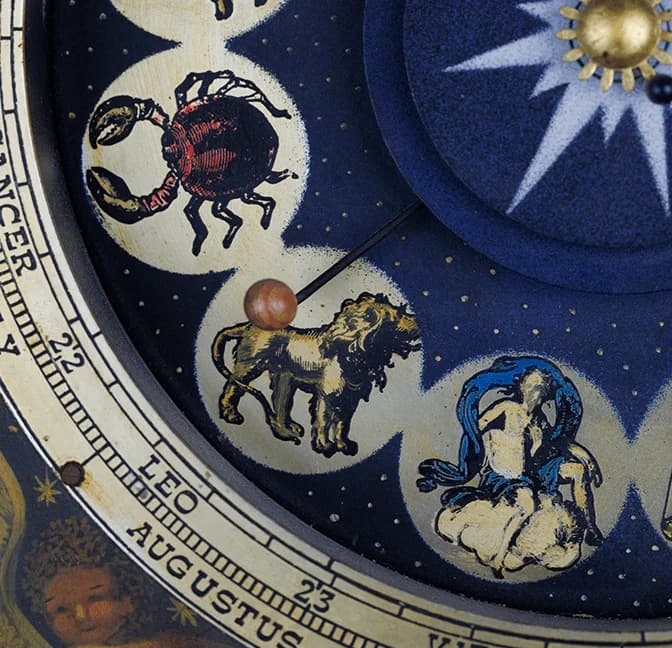
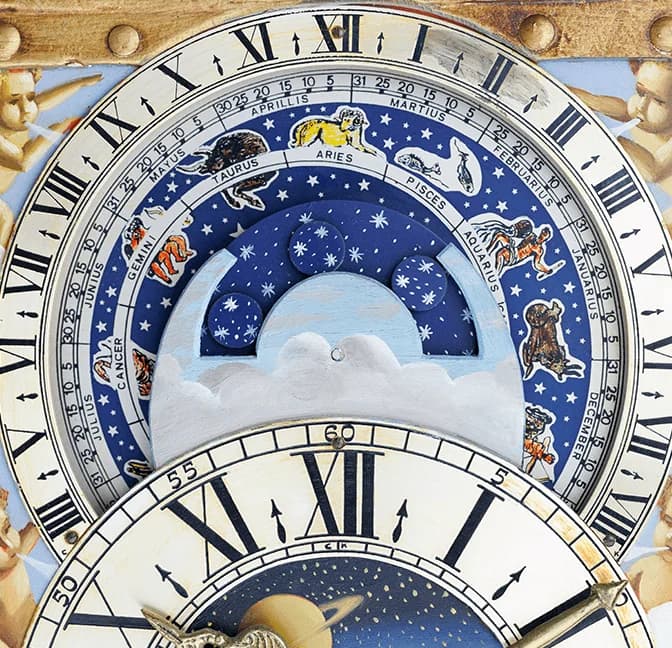
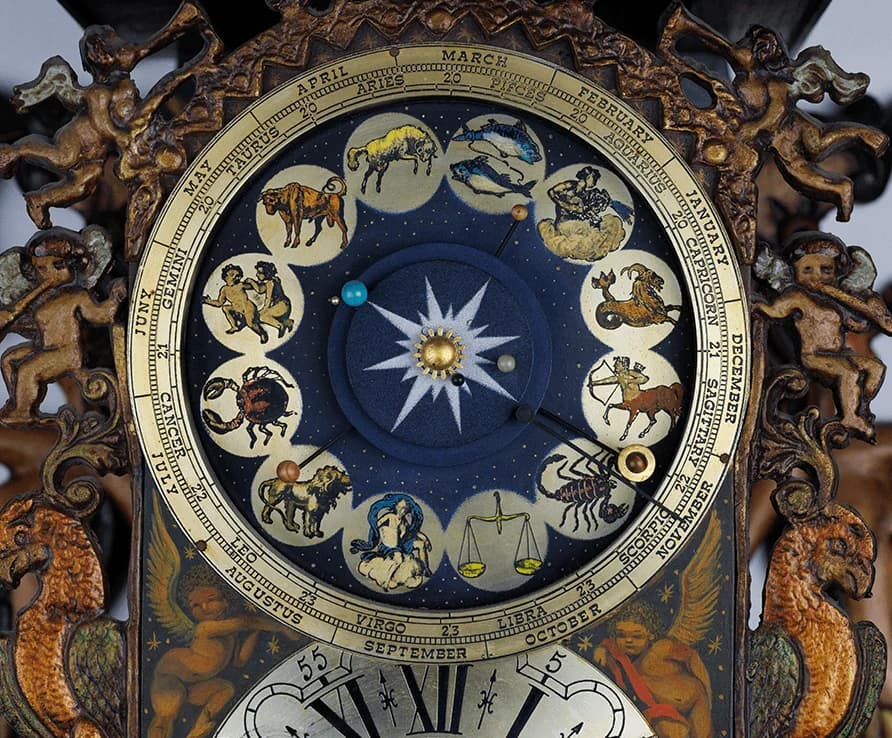
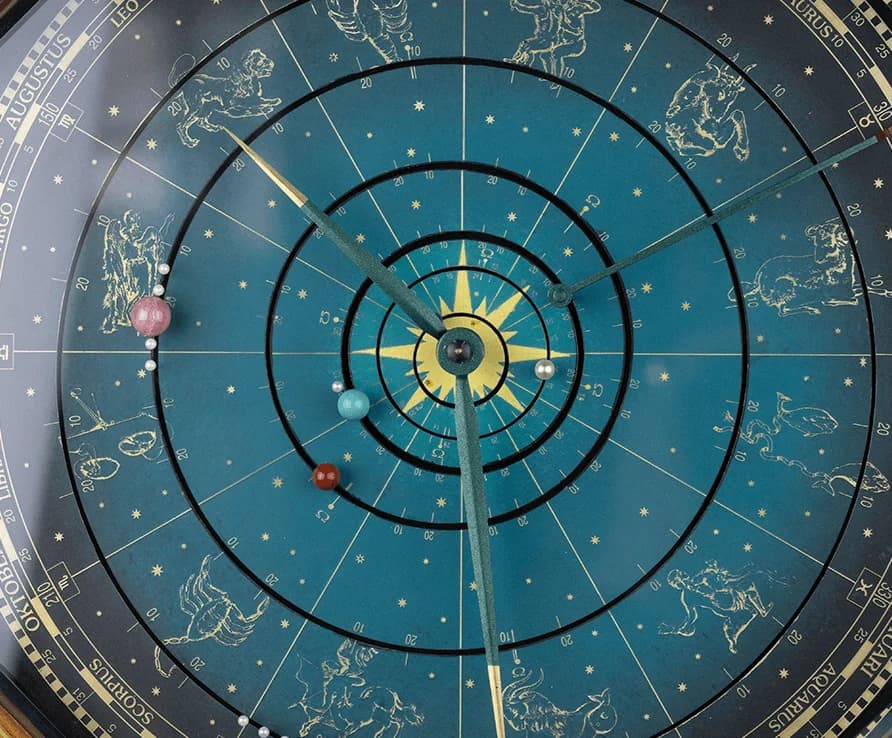
Long before the Planetarium appeared on the wrist, Christiaan van der Klaauw was translating astronomy into mechanical clocks.
These early pieces combined traditional clockmaking with indications for celestial movements, establishing many of the ideas that would return in later wristwatches. Dials, gear trains and astronomical displays were designed and built on a scale very different from today's watches, but the underlying fascination was already the same.
The clocks form an important part of the CVDK story. Astronomy was there from the beginning.
From Clocksto the Wrist
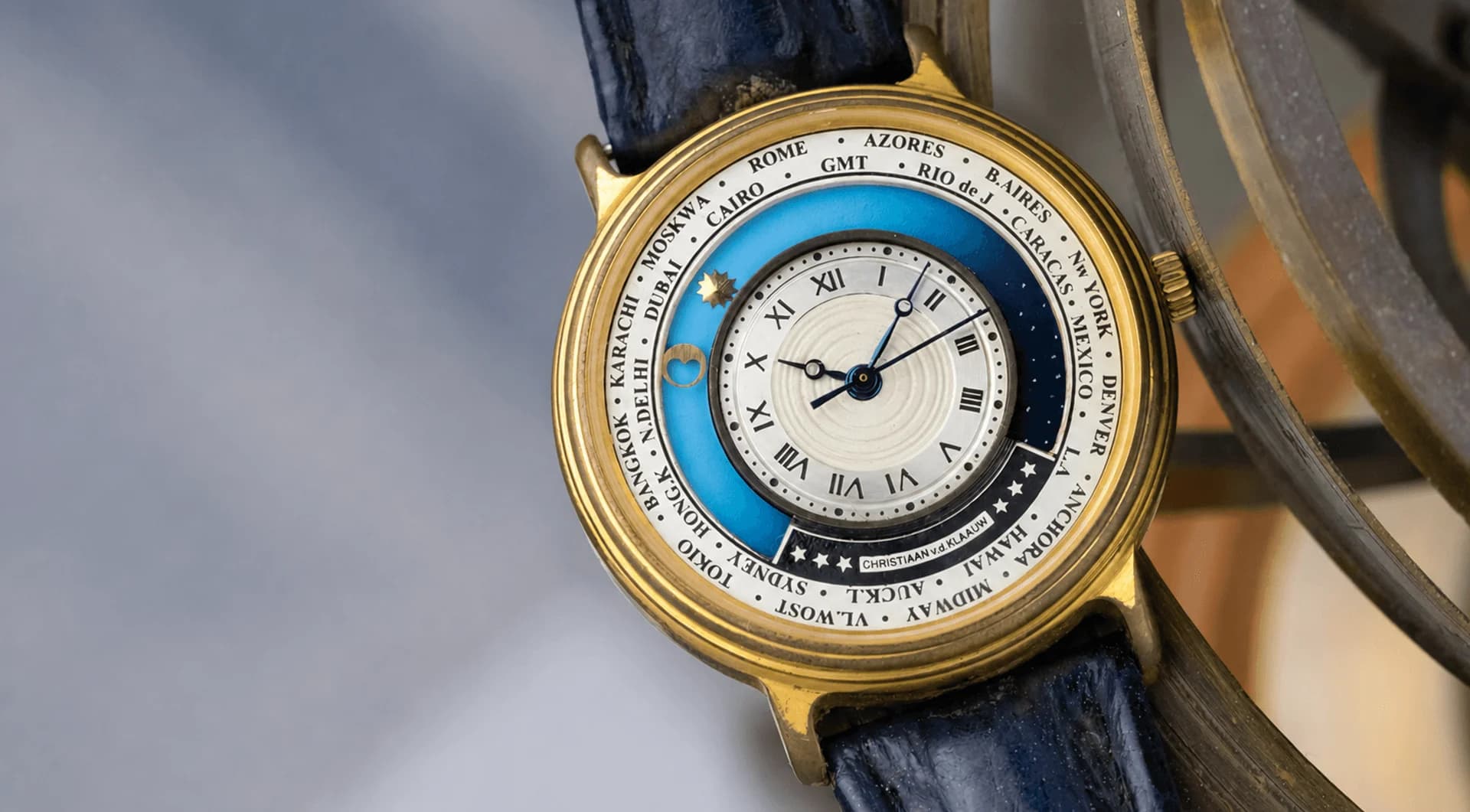
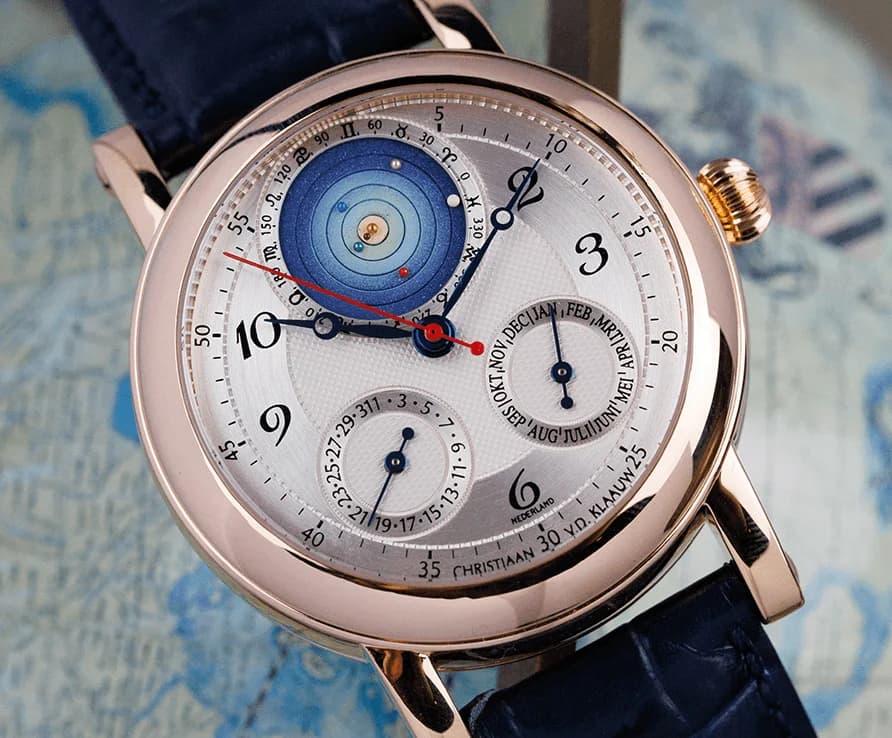
During the 1990s, Christiaan began bringing his astronomical ideas to a much smaller scale.
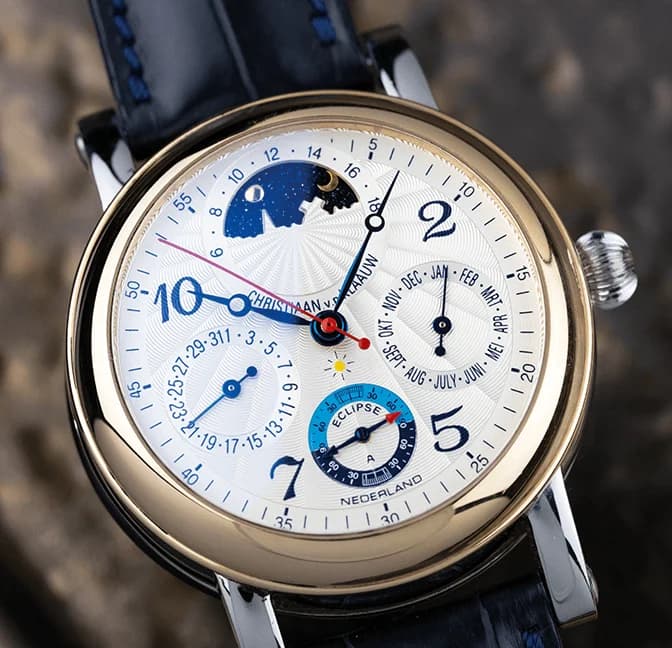
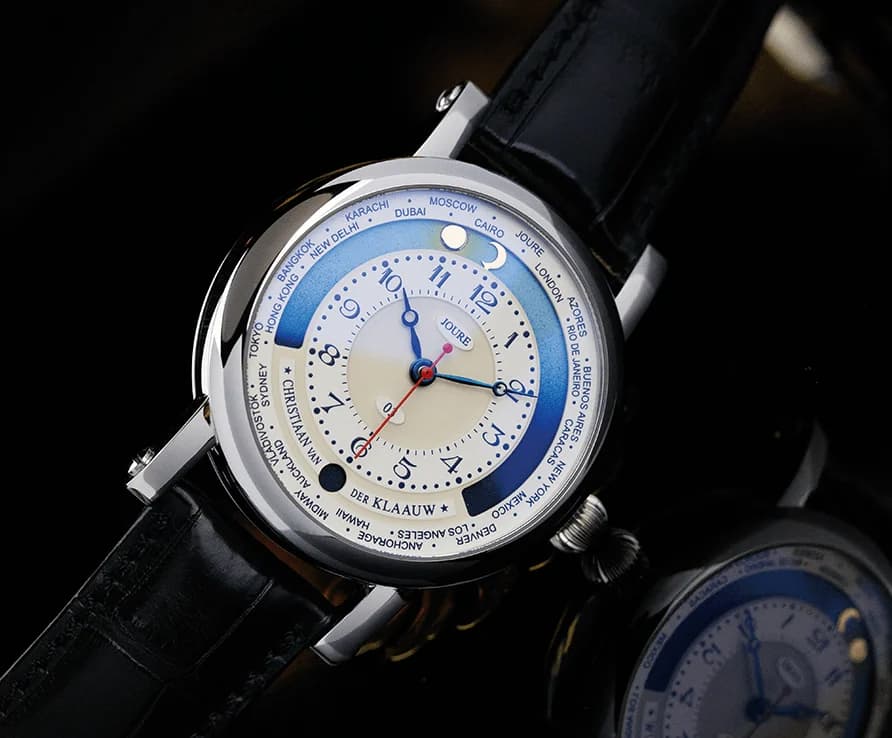
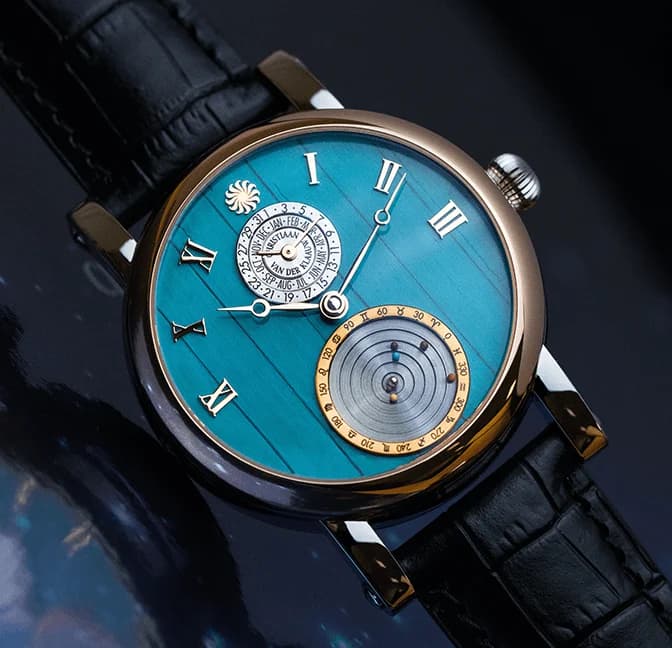
The Satellite du Monde, presented in 1996, combined time and calendar indications with moon phase, day and night and an indication of where on Earth it was noon. In 1999, the CVDK Planetarium followed, containing the smallest mechanical Planetarium in the world.
The transition from clocks to wristwatches changed the scale of the work, but not its subject. Planetary motion, lunar cycles and astronomical time remained at the centre.
A New AstronomicalIdentity
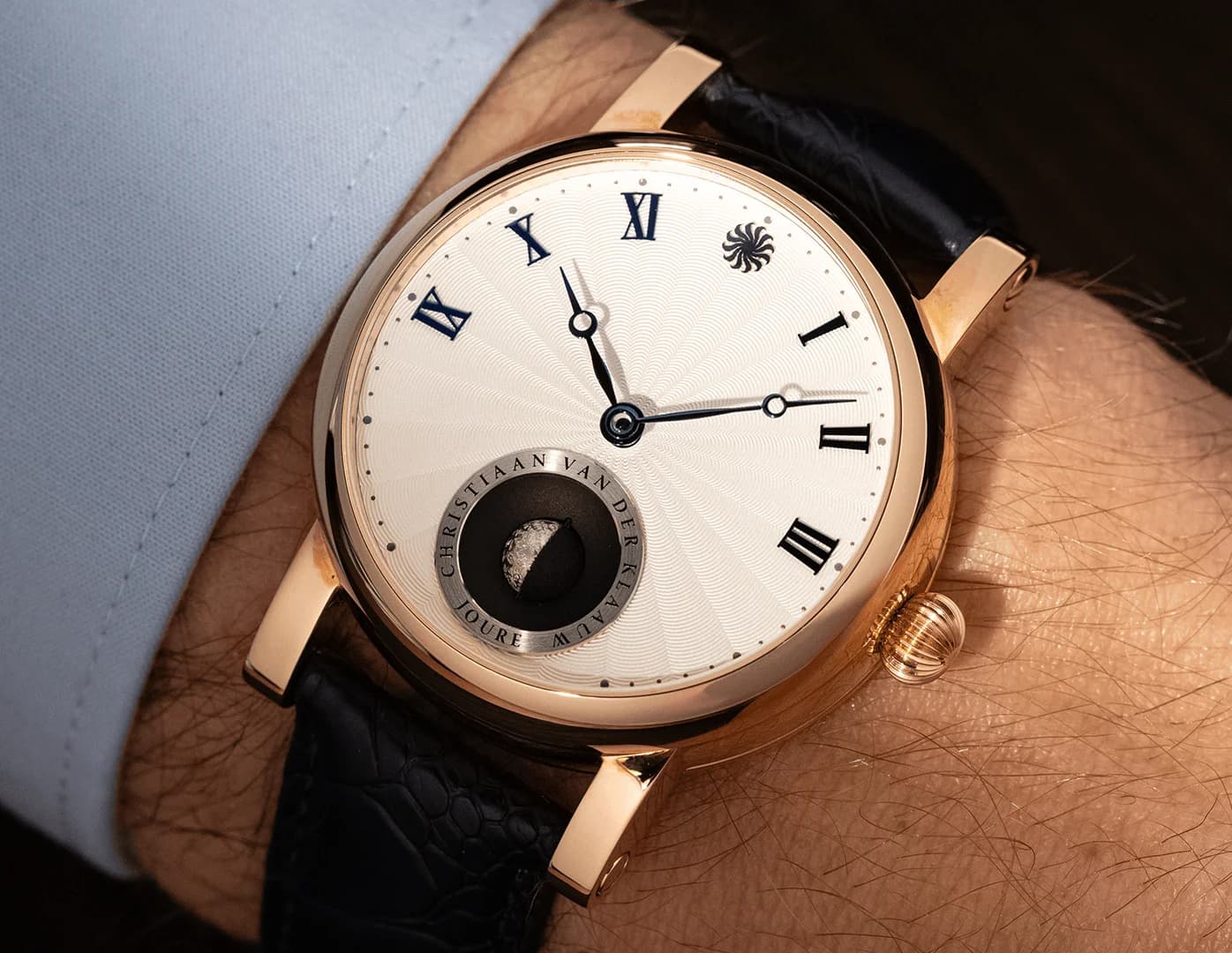
When Daniël and Maria Reintjes took over the atelier in 2009, they made astronomy the exclusive focus of Christiaan van der Klaauw.
The words Astronomical Watches were added to the name, while a new visual language gave the watches a more recognisable identity. The CVDK Sun logo, Roman numerals positioned above an imaginary horizon and the astronomical complication placed prominently within the dial became recurring elements.
Aventurine glass also became closely associated with the brand, providing a naturally varied, star-like surface for its astronomical displays.
Astronomical WatchmakingRecognised
The growing focus on astronomical complications brought CVDK international recognition.
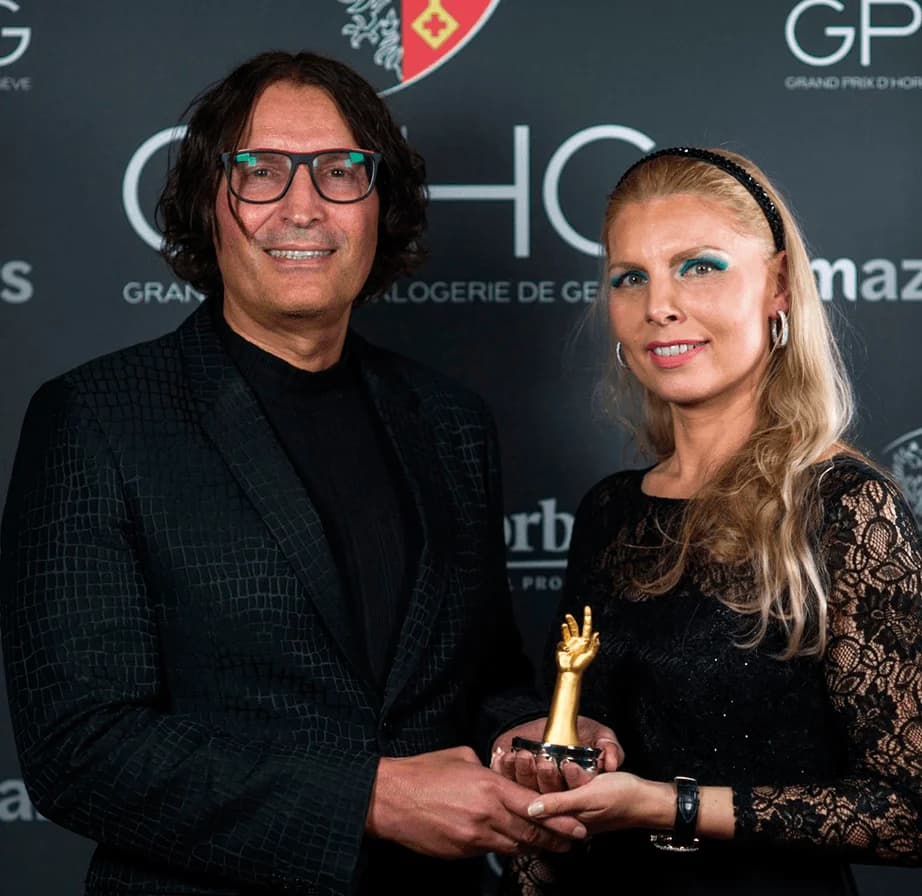
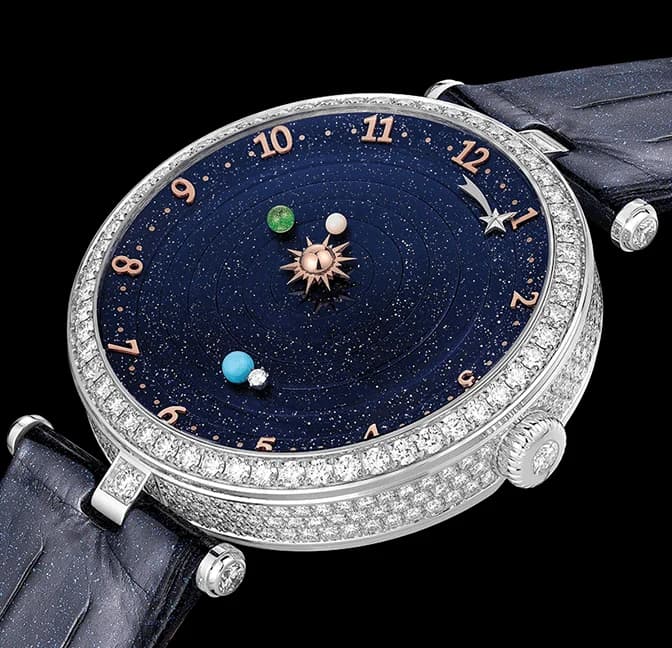
In 2016, Christiaan van der Klaauw was recognised by the Fondation de la Haute Horlogerie as a Haute Horlogerie watchmaker. Two years later, the Lady Arpels Planétarium, developed with Van Cleef & Arpels, received the GPHG Ladies' Complication Prize.
In 2021, the CVDK Planetarium Eise Eisinga received the GPHG Calendar and Astronomy Watch Prize.
A NewManufacture Era
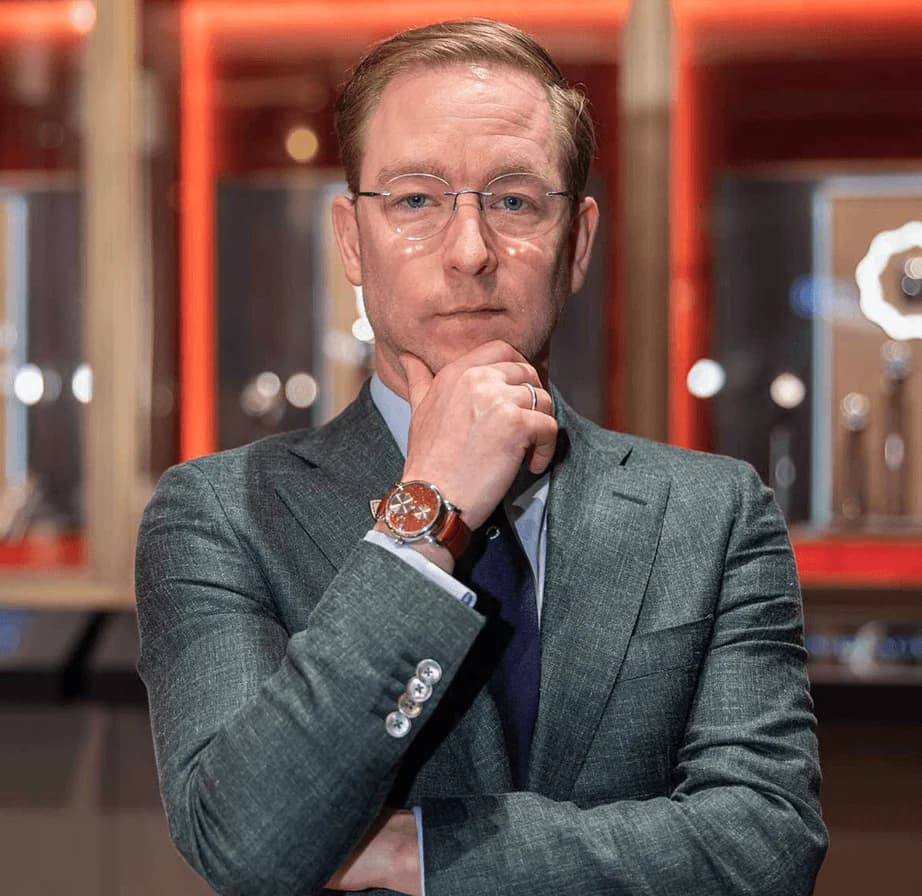
Pim Koeslag joined CVDK in 2022, bringing more than two decades of movement development experience to the next phase of the atelier.
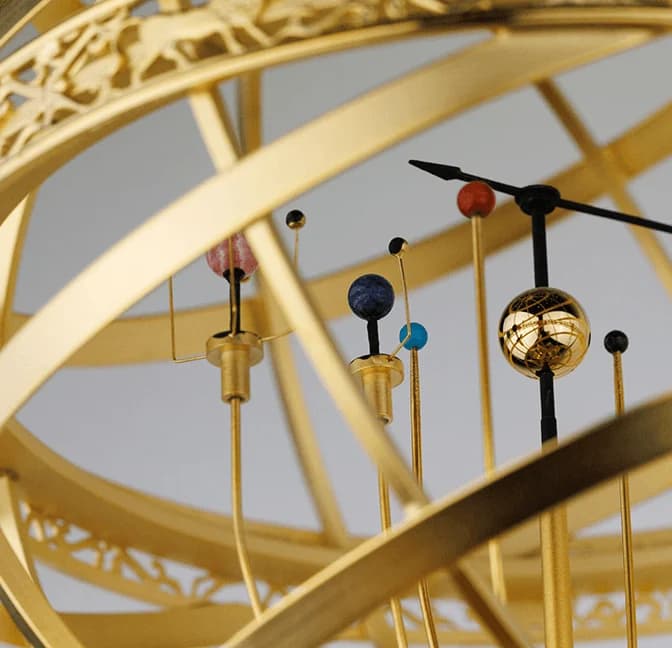
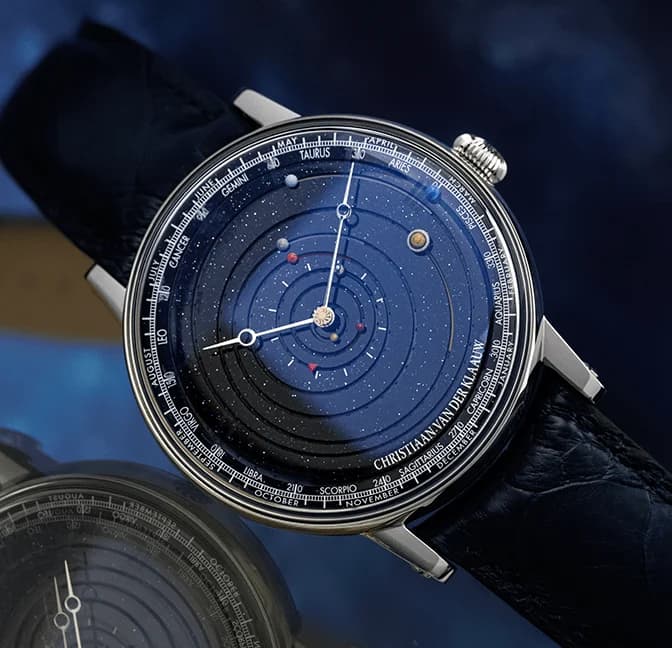
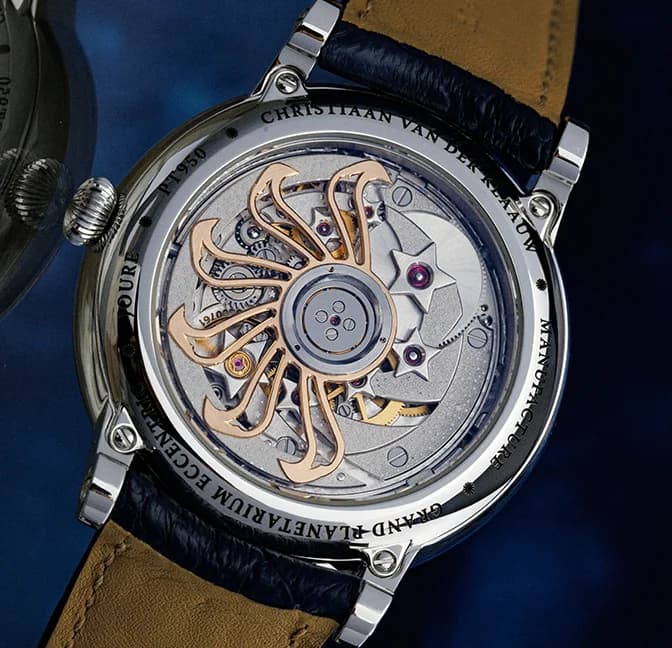
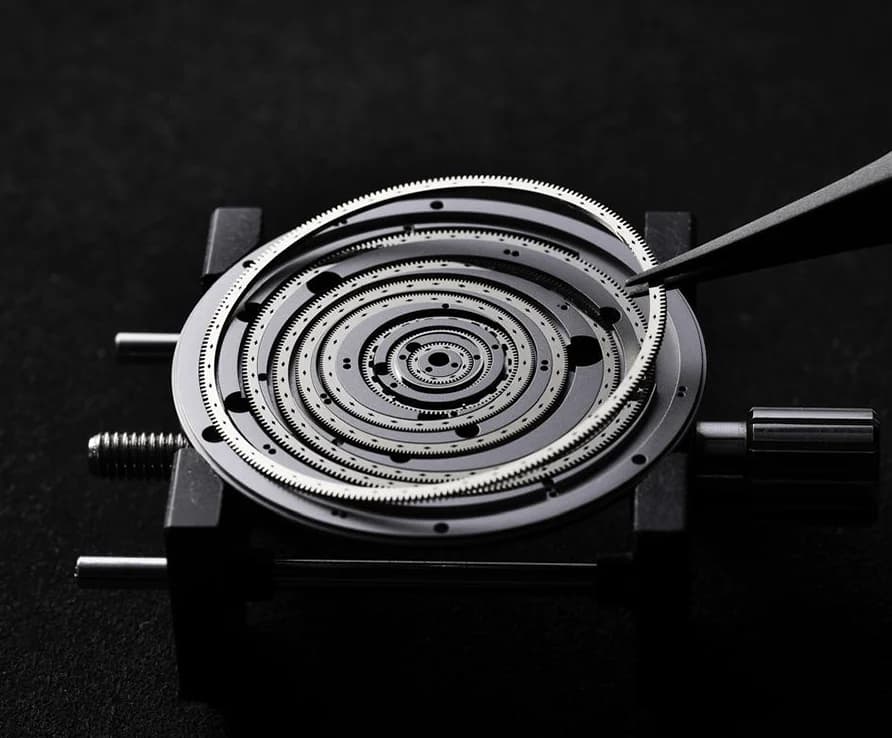
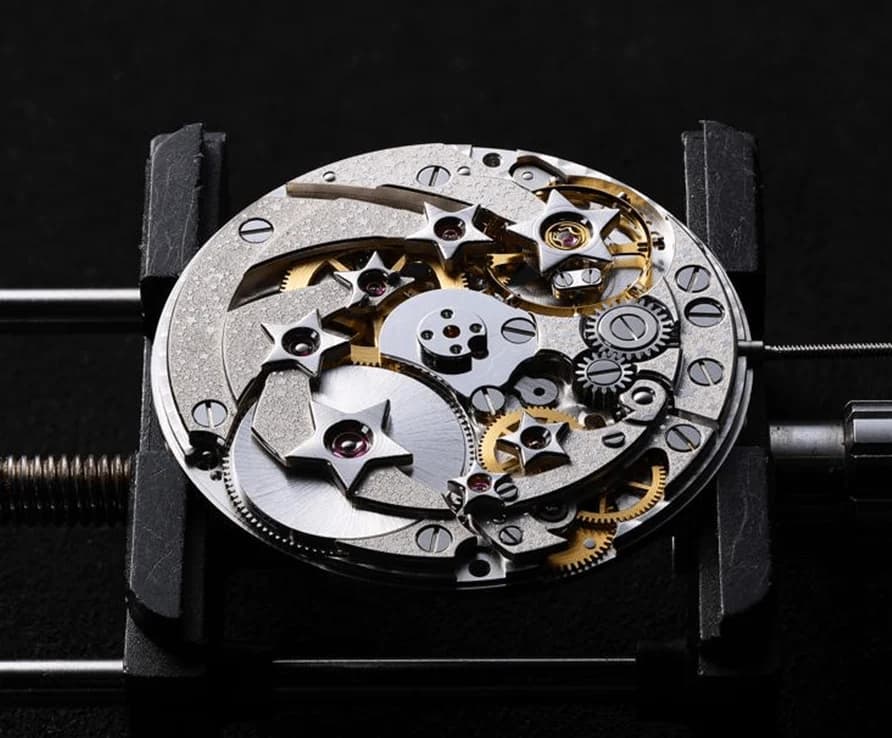
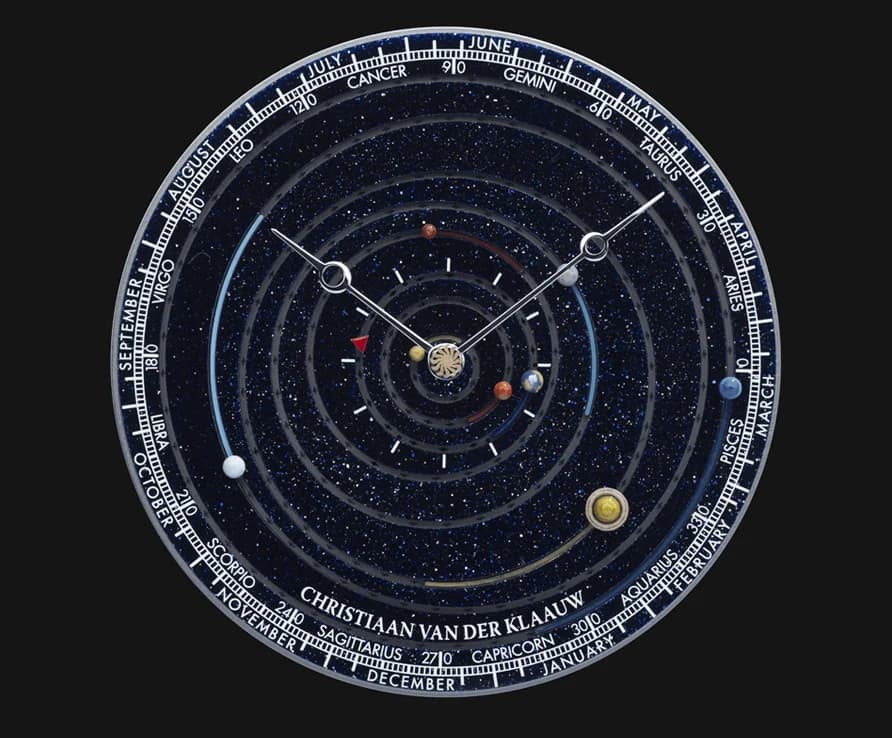
In 2024, CVDK presented its manufacture movement together with the Grand Planetarium Eccentric, marking fifty years of astronomical complications. The watch brought all eight planets of the Solar System into a single mechanical Planetarium and became the most complex watch developed by the atelier.
With Daniël and Maria leaving the company in early 2025, the next chapter of CVDK continued under Pim Koeslag.
One AstronomicalContinuity
The development of the Grand Planetarium Eccentric brought together three generations of CVDK.
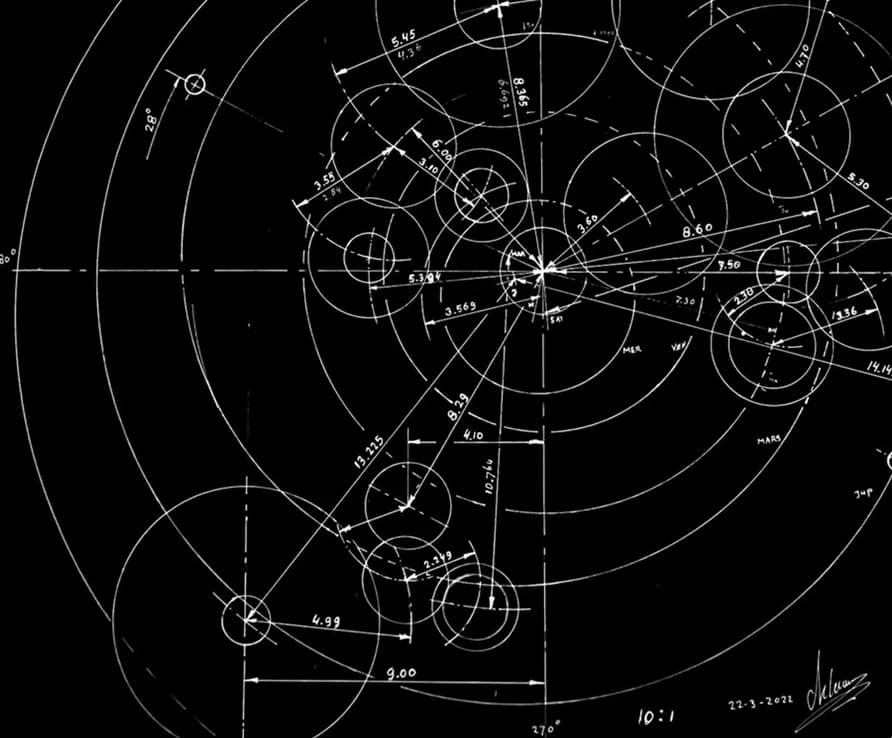
Its origins can be traced to astronomical ideas and drawings by Christiaan van der Klaauw. Daniël and Maria Reintjes shaped the contemporary design language around it, while Pim Koeslag translated the mechanism into modern technical development and production.
Different generations have left different marks on CVDK, but astronomy has remained the constant.
From theArchive
Clocks, prototypes and watches from more than fifty years of astronomical watchmaking.